
If you’ve been living with missing teeth, you already know it affects more than your smile. Maybe you avoid certain foods because chewing hurts. Perhaps you’ve stopped smiling in photos. You might even feel like your face looks different than before.
You don’t have to keep living that way. Dr. Matthew Jenne and our team at Garner Family & Cosmetic Dentistry offer full and partial dentures for patients in Garner, NC. We work with you one-on-one to understand your concerns and find the right restorative dentistry treatment that fits your budget and your oral health needs.
Types of Dentures in Garner, NC
You can choose from fixed or removable dentures. Your dentures will replace a different number of missing teeth using different materials:
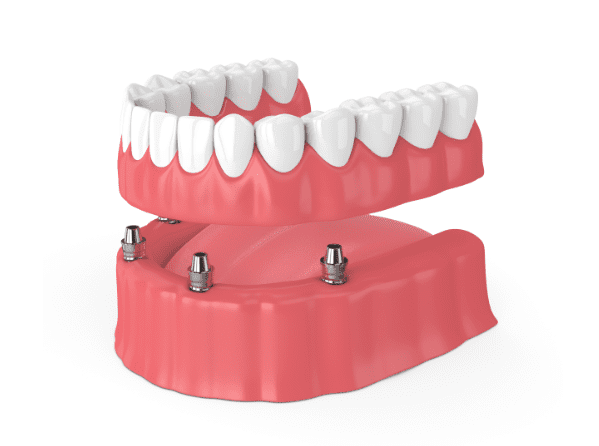
- Full Dentures: Full dentures replace all your upper and/or lower teeth. Traditional complete dentures are removable, but we often recommend fixed dentures are anchored by dental implants to increase the success rate of the denture.
- Implant Dentures: Implant dentures offer a number of benefits compared to traditional dentures. They use titanium implant posts to hold your replacement teeth in place. There is no chance of slipping, and no adhesive is needed. You can eat without restrictions because the implants are secure and durable. Dental implants also improve the health of bone and gums for a more natural form and function.
- Partial Dentures: Also known as partials, partial dentures replace one or more missing teeth in different areas of the mouth. Traditional partial dentures are removable and attached to an acrylic and metal frame that is secured onto the remaining teeth. A fixed partial denture may be secured in place with dental crowns or dental implants.
Why Should I Choose Implant Dentures?
Whenever possible, we recommend implant-supported dentures in our Garner, NC dental office. They offer many benefits that you simply cannot get with traditional dentures. These advantages range from better function to improved comfort and long-term oral health.
Superior Stability and Function
With implants, you get unmatched stability that traditional dentures cannot provide. Tooth implants replace tooth roots, anchoring your dentures firmly in place like natural teeth. You can confidently chew a steak or speak in public without worrying about your denture slipping or falling out. Traditional dentures only give back 30 to 40 percent of your bite function, while implant dentures restore up to 90 percent.
Better Nutrition and Diet
Chewing many foods is difficult with traditional dentures, especially crunchy fruits and fresh vegetables. This often limits your diet and may prevent you from eating some of your favorite foods. Over time, a restricted diet can lead to nutritional deficiencies that affect your overall health. Implant dentures let you eat a wider range of foods, which supports better nutrition and wellbeing.
Jawbone Preservation and Facial Structure
Implants simulate natural tooth roots and stimulate jawbone growth and regeneration. Traditional dentures do not stimulate the bone at all, which allows the jawbone to deteriorate over time. This deterioration often results in a sunken facial appearance and a weakened jawbone. With traditional dentures, you will likely need relining or replacement multiple times as your jawbone continues to change.
Superior Comfort
Comfort is one of the biggest issues with traditional dentures, as they can rub and irritate your gum tissue over time. The chewing forces of your bite directly impact the soft gum tissue, which is why you must remove them each evening. Wearing them too often can lead to mouth sores and other painful problems. Implant dentures do not rest directly on the gums, making them much more comfortable for daily wear.
No More Adhesives or Soaking
Traditional dentures often require messy adhesive to stay in place, which adds extra work to your daily routine. You have to remove the dentures each evening and diligently clean the adhesive off with a special brush. They also require soaking in a special solution overnight to stay hydrated and prevent cracking. With implant dentures, you simply follow a normal oral healthcare routine without the hassle of adhesives or overnight soaking.
The Dentures Process at Garner Family and Cosmetic
The process of getting dentures at our office depends on the type of restoration you choose. We offer both implant-supported dentures and traditional dentures. Each option follows a different timeline and involves different steps. Here is what you can expect during your denture treatment.
Getting Implant-Supported Dentures
If you choose implant-supported dentures, the process begins with surgical implant placement. We work with a trusted oral surgeon who will place four to eight dental implants in your jawbone. Your mouth will be numbed for your comfort during implant surgery.
After the implants are placed, you will need to wait three to six months for them to heal. This healing period, called osseointegration, allows the implants to fuse with your jawbone.
During this healing time, you will wear a temporary restoration so you can have teeth while your implants heal. Our dental lab will also begin crafting your custom denture to fit your mouth perfectly. Once your implants are healed, you will return to our office for your final appointment. We will then attach your permanent denture securely to the implants.
Getting Traditional Dentures
To begin the process for traditional dentures, we take digital impressions of your mouth in our office. We send these impressions and specifications for the color and shape of the prosthetic to a local dental lab. The lab creates your dentures from high-quality, tooth-colored materials.
There is no surgery or healing period required with traditional dentures. The entire process typically takes about two to three weeks.
Once your denture is ready, you will return to our office for a fitting. Dr. Jenne will make small adjustments if needed. He can also recommend adhesives to help keep your denture in place. Our office will show you proper cleaning techniques so you can care for your new denture effectively.